
Blog

3 Reasons Your Child Needs a Pediatric Dentist | Pediatric Dentist Lebanon

Helping children establish a foundation of quality oral health care at a young age is very important. Part of this foundation is built upon the professional dental care your child receives. That’s why choosing to use a professional pediatric dentist is a great way to set your child up for a lifetime of good oral health habits. Here are a few reasons why speciality pediatric dental care has benefits for both you and your child.

  1. Specialty Training. Pediatric dentists are not only dentists that focus on younger patients. Additional training is required for those who wish to go into pediatric dentistry. Dentists looking to focus on pediatrics must successfully obtain their degree before focusing on obtaining a pediatric dental license. The average residency time needed to specialize in pediatric dentistry is between 2-3 years. Having the additional years of training helps separate pediatric dentists from other dentists when it comes to treatment protocols, and this training helps them deliver the best possible care and comfort to your child.
     
  2. A Child-Friendly Office. It’s non uncommon for young children to have fear about going to the dentist, viewing it as a “scary” place. Pediatric dental offices do their best to put this stigma to rest. Often painted in fun color schemes, the offices are designed to look inviting. Often, waiting areas have child-centric activities such as toys, games, books, or even children’s programming on TV,  Combining the office with a professional pediatric dental staff can put you and your child’s mind at ease. Our staff can not only provide quality care but can help by telling jokes or even offering a small prize like a sticker once treatment is completed. The office environment can only help so much, but having the right pediatric dental team can turn a good experience into a great one.
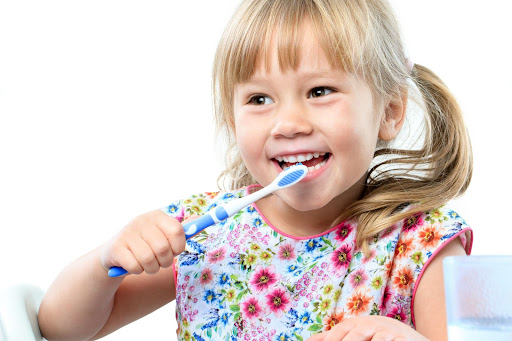
  3. Teaching Your Child to Care for Their Teeth. Visiting a pediatric dentist for a cleaning and dental examination is very important, but being able to teach kids to take care of their teeth is also essential. Pediatric dental staff members take the time to help educate kids with steps like showing them how to properly brush and floss their teeth. This makes your job of reinforcing good habits at home that much easier.

If you have any questions or want to schedule an appointment, contact our office today. Our team is here to provide your child with the best dental care and to help your child learn and understand the importance of proper oral hygiene. 

Upper Valley Pediatric Dentistry of West Lebanon
Phone: (603) 790-8130
30 Airport Rd. Suite 7
West Lebanon, NH 03784

Should I Be Concerned About A Thumb Sucking Habit? | Pediatric Dentist Hanover

Thumb sucking is one of the most recognizable behaviors found in children. Sucking is a natural reflex and infants and young children may use thumbs, fingers, pacifiers, and other objects on which to suck. It may make them feel secure and happy, or provide a sense of security at difficult periods. Since thumb sucking is relaxing, it may even encourage sleep. Studies have proposed that as many as 90% of children have engaged in this type of activity in their lives. We have even seen that thumb sucking can begin in the mother’s womb during pregnancy. It’s natural, safe, and can be quite helpful to parents, as their baby learns to soothe themselves from time to time. 

Whether this oral fixation is satisfied with a thumb or the commonly used pacifier, most children discontinue this practice before long. The American Academy of Pediatric Dentistry states that most children stop thumb sucking on their own between the ages of 2 and 4.

Once your baby’s first set of teeth are in and thumb sucking persists, there is a chance that this habit could push the teeth slightly forward. Fortunately, this will in no way affect the placement of the adult teeth or add to the cost of your child’s future dental bills. Thumb sucking, even in toddlers, is considered normal. It does not mean there is anything wrong with your child and that they should feel embarrassed or ashamed. Even the most persistent thumb sucker ordinarily stops on their own by the time toddlerhood has ended. 

Thumb sucking infrequently continues past the age of four. This is usually found to be the result of too much attention or negative reinforcement given to the habit in previous years. Beyond this age, thumb sucking can begin to impact the alignment of the adult teeth, so it is best your child shed the habit sooner rather than later. 

How do you help them with this? Don’t reprimand them because of it, don’t remove the thumb from their mouth and don’t mention it. This is where their growing awareness and social cues come in handy. As your child begins to notice that the kids around them aren’t sucking their thumbs anymore, they won’t want to either. They will also start to discover other skills or items to give them comfort and security. Peer pressure becomes a much greater deterrent than a parent’s disapproval. 

What Can I Do to Support my Child Through Thumb Sucking?

●     Insecurity often causes anxiety in children and this may lead to thumb sucking.
      Instead of reprimanding them, try to focus on what is making them feel anxious. 

●     Parents who provide comfort and positive reinforcement to their children will see a
      less likelihood of thumb sucking.

●     Take note of the times your child tends to suck on their thumb and create diversions
      during these occasions. 

●     Ask your child’s dentist to speak with them about the impact thumb sucking will have
    on their mouths.

●     Place a band-aid or a sock on your child’s thumb as a reminder to avoid putting their
    thumb or fingers in their mouth.

Thumb sucking can be a troublesome habit for parents, mostly when it feels like your child is the only one still engaging in the behavior. Permitting your child to find other ways of comforting themselves is more helpful to them in the end. If you have any other questions on how to improve your child’s oral health, please give our pediatric dental office a call. To learn more or to schedule an appointment, visit our website or give us a call today.

Upper Valley Pediatric Dentistry of West Lebanon
Phone: (603) 790-8130
30 Airport Rd. Suite 7
West Lebanon, NH 03784
Why Baby Teeth Are Just as Important as Permanent Teeth | Childrens Dentist West Lebanon

Your child’s primary teeth (commonly called “baby teeth”) are pretty interesting, and we’re not just saying that because we’re pediatric dentists. In most mouths, there are 20 primary teeth in total. They are already present in your child’s jaw at the time of birth and they will usually begin to appear between the ages of 6-12 months.

Usually referred to as teething, this process can be an important and exciting stage in you and your child’s life. We probably all have at least one story of a lost baby tooth. However, despite their cultural significance, many fail to see the health-related importance of these teeth. One question we get quite frequently is, “If my child’s baby teeth are just going to fall out anyway, is it even worth taking care of them?”

While it may seem like caring for your child’s baby teeth isn’t all that important, nothing could be further from the truth. Called “Nature’s Braces” by some dentists, baby teeth are incredibly important to a child’s overall health and development.

When baby teeth are lost too early, due to decay or some other factor, the gaps left behind can cause major issues in the development of your child’s permanent teeth. As permanent teeth start to come in, they can drift into the empty space left behind by a missing primary tooth, making it difficult for other teeth to come in straight. The end result is often a crooked and misaligned smile that requires expensive orthodontic care in the future.

Additionally, baby teeth are necessary to help your child in everything from chewing and speaking to smiling with confidence.

Primary teeth are important to more than just the tooth fairy and are critical to your child’s development. To make sure they stay healthy and do their job, help your child brush their teeth at least twice a day and participate in all the other aspects of a great oral hygiene routine.

As a part of that routine, make sure that you continue to schedule regular dental appointments for your child at our pediatric dental office. We are specialists in providing excellent, kid-focused dental care in a warm and welcoming environment. Contact our team to set up your next appointment today. 

Upper Valley Pediatric Dentistry of West Lebanon
Phone: (603) 790-8130
30 Airport Rd. Suite 7
West Lebanon, NH 03784

Choosing the Right Toothpaste For Your Child | West Lebanon Pediatric Dentist

According to the Centers for Disease Control and Prevention, tooth decay is one of the most common chronic diseases of childhood in the United States. For reference, about 20% of kids aged 5-11 years have at least one untreated decayed tooth. Additionally, a study conducted by the University of Southern California found that roughly ⅓ of elementary school absences were caused by dental problems. 

The best way to help your child avoid becoming a part of these statistics is to make sure they have a great oral hygiene routine that saves their teeth from decay. Part of that routine involves choosing the right toothpaste for the job.

Enjoyable Flavors

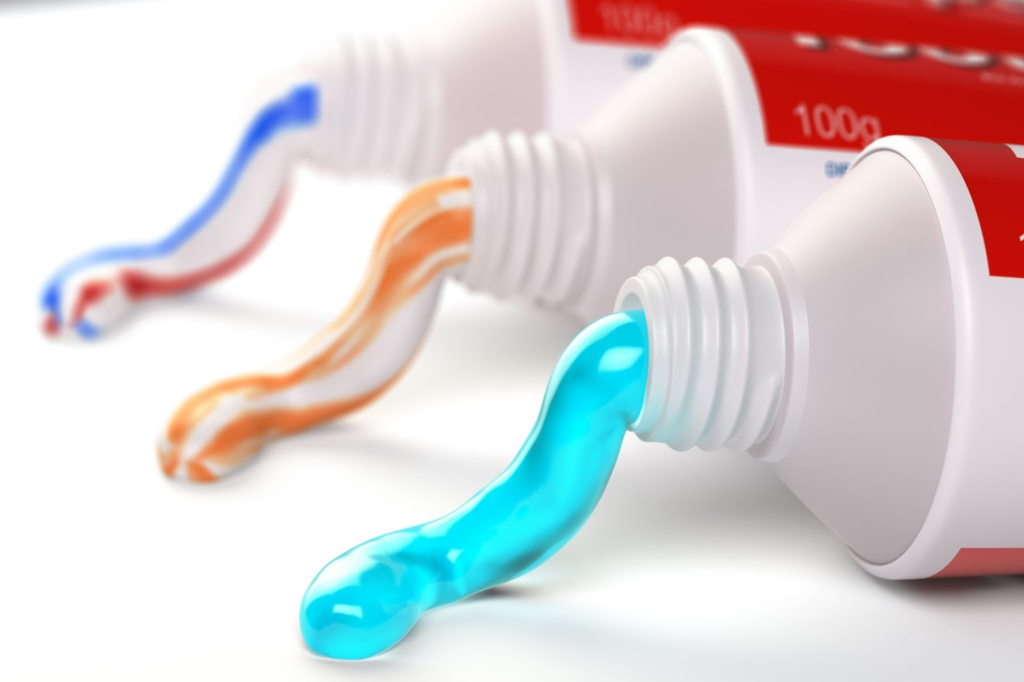
Perhaps the one of the easier decisions to make when it comes to your child’s toothpaste is flavor and fun colors. Brushing twice a day, every day is not going to be as easy for your child to accomplish if they do not like the flavor of their toothpaste. Let them decide which flavors they like and choose their own toothpaste when possible. Sometimes, mint and similar flavors will be too “spicy” or intense for your child’s mouth.

Consider berry or bubblegum flavored alternatives that kids can enjoy. Sometimes these flavors come in entertaining colors and packages that can also help get your child excited about their dental health.

Avoid Abrasives

Some toothpastes include mild abrasives that can help remove surface stains and debris from teeth. Unfortunately, these abrasives can also damage your child’s sensitive tooth enamel. 

To avoid this problem, stay away from whitening toothpastes. You should also consult with our pediatric dental office about which abrasives to avoid and which toothpastes we recommend as safe. 

Look for the ADA Seal of Approval

The American Dental Association is one of the leading professional dental associations in the country. Their strict testing procedures on many brands and types of toothpastes ensure that the product is high quality, safe for use and is effective. This important Seal of Approval is easily seen on many boxes and can help you narrow down your options quickly.

If you help your child keep up with their daily routine, you are helping protect them from potential tooth decay in the future. However, if your child is complaining of sensitive or painful teeth, it may be time to visit our office for an evaluation. Our pediatric dentist in West Lebanon NH will examine your child’s mouth for signs of tooth decay or other oral health issues and create a treatment plan that can restore their smile to its full health. Contact Upper Valley Pediatric Dentistry of West Lebanon today.

Upper Valley Pediatric Dentistry of West Lebanon
Phone: (603) 790-8130
30 Airport Rd. Suite 7
West Lebanon, NH 03784

What to Do About Your Child’s Teeth Grinding Habit | West Lebanon NH Pediatric Dentist

Have you heard your child making an unidentifiable noise in their sleep? The sound you could be hearing is the sound of your child grinding their teeth together. Teeth grinding, or bruxism, is a problem primarily common amongst adults but can happen in young children as well. In some cases, children as young as a year old can have the nightly habit. While childhood teeth grinding usually isn’t very problematic, it is still something you should mention to our pediatric dental team. Learn more on the causes of bruxism and what to do if your child grinds their teeth. 

What Are the Causes?

There are a few common causes of bruxism in young children. Teeth shifting or teething, replacing pacifier use, and ear infections can be the cause of a child’s teeth grinding. One other area that can be a big cause of bruxism is stress. Like adults, the effects of stress can manifest in physical ways in children. Changes in routine such as eating or sleeping habits, or even problems at school can play a role in this. 

What should I Do?

Luckily bruxism usually fades in children with the addition of their permanent teeth. However, if the habit continues, or teeth are being worn down quickly, schedule an appointment at our pediatric dental office. We will evaluate your child’s mouth to see what kind of damage is being done, and help you decide whether further action needs to be taken. 

Working to eliminate any additional stress can also help ease the causes of bruxism. Maintaining a consistent schedule for your child, specifically around bedtime, is very important.

 If you have any questions or would like to schedule an appointment with our West Lebanon Pediatric Dentist, contact Upper Valley Pediatric Dentistry of West Lebanon today.

Upper Valley Pediatric Dentistry of West Lebanon
Phone: (603) 790-8130
30 Airport Rd. Suite 7
West Lebanon, NH 03784

Simple Tips to Prepare Your Child for Braces | West Lebanon Pediatric Dentist

If your child is a candidate for braces, chances are both of you have at least a few questions and potential concerns. Young children and even teens may feel a combination of apprehension and excitement as they begin their journey towards a straighter smile. Here’s what you can do to help them prepare for orthodontic treatment: 

1. Include them in discussions about treatment options.

Orthodontia is no longer a one-size-fits-all solution. Talk to your orthodontist about all of your child’s potential treatment options and include your child in the conversation. While metal braces are the most popular choice for children and teens, there may be other methods that are equally effective and affordable. 

2. Describe what to expect during treatment.

Ask our office to help you anticipate common questions. Plan to be as candid as possible and honest when it comes to discomfort – braces take some getting used to, but assure your child that any potential discomfort will ease with time. Also emphasize the commitment needed to keep their teeth clean during treatment; brushing and flossing will take longer with braces, but the time investment is well worth it. 

3. Stock up on soft foods.

Your child’s teeth may feel sensitive for the first few days after getting their braces fitted. Keep them comfortable by stocking up on softer foods that will make eating easier. Rice, pasta, mashed potatoes, soups, yogurt, and pudding are all great choices. 

4. Invest in orthodontic wax.

Your child may experience some mouth soreness as they get used to the brackets on their braces. Orthodontic wax offers a thin layer of protection between the brackets and their tender gums. Show your child how to use it so they can keep it handy in their backpack for use at school and during extracurricular activities. 

5. Focus on the benefits.

Explaining the benefits of braces to your child will reinforce the importance of adhering to their treatment plan. Children are often impatient and want immediate gratification, so remind them that while a year or two may seem like forever, the pay-off will be a beautiful, self-confident smile they can be proud of for years to come. 

If you and your child are embarking on your first orthodontic journey together, we’re here to help. Contact Upper Valley Pediatric Dentistry of West Lebanon for additional tips to set your child up for treatment success.

Upper Valley Pediatric Dentistry of West Lebanon
Phone: (603) 790-8130
30 Airport Rd. Suite 7
West Lebanon, NH 03784

Ease Your Child’s Dental Anxiety | West Lebanon NH Pediatric Dentist

Your dentist can provide the best services in town and have all the latest technology, but none of it will mean anything if your child is filled with fear every time they hear the word dentist. It’s important to us that all our patients, no matter their age, feel comfortable and confident while visiting us. However, when it comes to you children, we can’t do it alone. Your children are very perceptive of how you are feeling and will look to you for cues on how to feel about us. Here are some of our recommendations for you to help us make your child feel safe while at the dentist.

Easy Peesy

The best advice we can offer parents is to not make a big deal out of your child’s dental appointments. If your child sees or hears any anxiety in you they will feel the same way about things. Try treating the dentist as something as normal as going to the grocery store. Often, children are much more receptive and resilient than we sometimes realize. One way to ensure that the dentist becomes normalized is to start your child off early. Schedule an appointment for your child as soon as they get their first tooth. If the child has consistently good experiences early on, the future anxiety simply won’t be there.

Meet and Greet

Consider scheduling a short 5 minute appointment for your dentist and your child to establish a relationship. If your child can see the dentist as a friend first, they will be more likely to trust them to work on their mouth. Help foster this trust by discussing the dentist one on one with your child as a fun yet calm environment. The worst thing you can do is to use the dentist as a punishment. For instance, threatening your children with “If you don’t brush your teeth you’ll have to go to the dentist” make them associate the dentist with fear, punishment and pain.

Better Seen Than Heard

When you accompany your child to the dentist, your involvement may change depending upon the level of anxiety you both are feeling. Our West Lebanon Pediatric Dentist as found that a great option is to assure your child that you’ll be close by the entire time. Depending on the situation, you may consider not being in the room as your child’s teeth are being cleaned. If you have any fear or anxiety about the situation, your child will pick up on it and it would be better for you not to be there. Additionally, your presence can distract both the doctor and your child. For some children however, your presence may be extremely helpful. Ultimately, you know your child’s needs best.

It is well known by all dentists that the outcome of treatments in directly dependent upon the compliance of the patient. Help make sure your child’s trips to the West Lebanon Pediatric dentist are as beneficial and painless as possible. Make sure to contact Upper Valley Pediatric Dentistry of West Lebanon if you have any questions or would like to schedule an appointment. We look forward to hearing from you.    

Upper Valley Pediatric Dentistry of West Lebanon
Phone: (603) 790-8130
30 Airport Rd. Suite 7
West Lebanon, NH 03784

6 Tips for Preventing Tooth Decay in Children | West Lebanon Pediatric Dentist

Oral health is important at every stage in life. Just because your children are going to lose their primary (baby) teeth eventually doesn’t mean that we can ignore the importance of dental care. Tooth decay can be painful and uncomfortable to treat. To protect your child’s smile, it is vital to understand optimal preventive care.  

1.      Explain the importance of routine dental care to your children and turn brushing and flossing into something fun that they look forward to each day. 

2.      Schedule routine appointments to our office for cleanings and dental exams. Your child should start seeing a dentist as soon as their first tooth emerges. Make sure to continue visiting us twice a year for optimal oral health. 

3.      Include crisp and fibrous foods into your child’s diet. Fruits and vegetables high in water content help keep your child’s mouth hydrated. Foods such as apples increase saliva which inhibit bacteria from sticking to their teeth.

4.      Avoid food and drinks that are high in sugar. Soda, juice and candy are all treats that most children love to eat. However, these can be detrimental to your child’s teeth and overall health.

5.      Drinking plenty of water throughout the day is one of the easiest and most effective ways to prevent tooth decay. Water flushes bacteria and acid away from teeth. Encourage your children to drink water especially after eating. 

6.      Ask us about dental sealants for your children. Sealants can add a layer of protection to your child’s teeth where bacteria build up to prevent damage. 

Tooth decay starts out as a small problem, but left untreated can lead to serious oral health issues. By adding a few minor habits into your daily routine, your child’s oral health can change for the better. Simple changes in diet and routine can keep cavities at bay. 

Call us today to schedule an appointment for your child.

Upper Valley Pediatric Dentistry of West Lebanon
Phone: (603) 790-8130
30 Airport Rd. Suite 7
West Lebanon, NH 03784

How Probiotics Improve Oral Health | Kids Dentist in Lebanon

Probiotics are typically advertised as being helpful for digestion. However, studies have shown that they can also improve oral health. Probiotics are beneficial for fighting infections that lead to oral disease.

Reducing Gingivitis
A study published in Contemporary Clinical Dentistry has found that probiotics can reduce gum bleeding in patients with moderate to severe gingivitis. In the trial, children were given either a placebo or two different combinations of probiotics. At the three-week mark, it was discovered that children who took probiotics had significant improvements in their gingival status.

Combating Periodontitis
Periodontitis is another oral disease that probiotics have been shown to fight. Periodontitis is caused by harmful bacteria that separate teeth from the gums creating pockets that can become infected. Probiotics can fight harmful bacteria and lessen the inflammation to help heal the mouth.

Fighting Cavities
Another finding from the trial of the Contemporary Clinical Dentistry showed that children who took probiotics also saw a significant decrease in plaque. The reduction of plaque leads to less decay. Probiotics fight the plaque and occupy the spaces on the teeth where bad bacteria thrive.

Minimizing Bad Breath
Another benefit of probiotics is the effect they have on bad breath. Bad breath is usually caused by volatile sulfur compound bacteria releasing odor-causing gases. Because probiotics are healthy bacteria, it is believed that they can eliminate the bad bacteria and maintain a healthy bacteria balance in your mouth.

The benefits of probiotics are not just limited to the digestive health. Researchers continue to conduct studies to discover new ways probiotics contribute to a healthy mouth and body.

Contact our team for more information on oral health or to schedule a visit today.

Upper Valley Pediatric Dentistry of West Lebanon
Phone: (603) 790-8130
30 Airport Rd. Suite 7
West Lebanon, NH 03784

Childhood Obesity and Periodontal Disease | West Lebanon Best Kids Dentist

A recent study made a concerning connection between children who are obese and their risk of developing gingivitis. Maintaining proper oral hygiene is especially important for young people. Gum issues that are detected early and treated are usually reversible. Here’s what you need to know from the study.

Understanding Gingivitis

Gingivitis can sometimes go unnoticed. It is a mild type of periodontal disease. The longer it remains untreated, gum disease becomes more severe. Gingivitis can cause swollen gums, bloody gums, and bad breath. Gums begin to recede when infected, eventually leading to tooth loss.

What the Study Found

The study examined 90 children. Nearly 99% of those classified as obese had gingivitis of some degree. For children classified as overweight, 85% were found to have gingivitis. Previous studies have found similar correlations in adults.

 Steps You Can Take

If your child is overweight, it is imperative you help them keep up with their oral health. Instill good daily habits. Make sure they are brushing for two minutes, two times each day. Encourage the use of dental floss and a mouthwash that fights gingivitis. Keep up with a regular routine of periodontal examinations in our office. We can help to detect problems early and will recommend treatment options if needed.

While the sample size of this study was small, the results are still important to consider. Obesity in adults has been linked to increasing the risk of developing gum problems, making these results less surprising but nonetheless imperative. If your child is overweight, talk with their doctor to develop an appropriate weight-loss plan. Include our team to provide your child with a comprehensive periodontal examination. When left untreated, gingivitis can lead to more severe complications. The key to fighting gum disease is to detect it early and take preventive measures through your child’s daily oral hygiene routine.

For more tips on keeping your mouth healthy or to schedule your next visit to our office, please contact us.

Upper Valley Pediatric Dentistry of West Lebanon
Phone: (603) 790-8130
30 Airport Rd. Suite 7
West Lebanon, NH 03784
