Blog

Pediatric Dentist West Lebanon | 4 Ways to Make Oral Hygiene Fun

It can be difficult to get your child to practice proper oral care unsupervised. However, the long-term benefits of an early start to optimal oral hygiene are worth the effort. Below are some tips to help you make oral health a fun part of your child’s daily routine.

1. Brush with a Buddy.

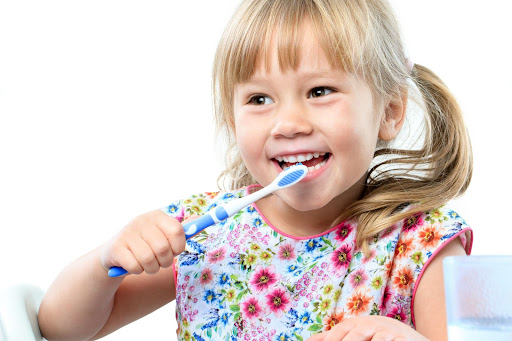
Your child will be much more excited to floss and brush their teeth if it’s a family activity. Brush your teeth with your child, or if they have siblings, have the kids brush together. This will help make the time more fun and help your child to subconsciously accept oral hygiene as a normal part of a daily routine.

2. Choose the Right Supplies.

Let you child pick out their own toothbrush. This will help them feel like they have a say in their oral care routine.

3. Reward Good Behavior.

A little incentive can go a long way. When trying to get your child to floss and brush on their own, it might be helpful to implement a simple reward system. For example, your child could track their own brushing on a calendar and trade it in for a small gift or prize after a month of twice daily brushing. 

4. Educate to Empower.

It’s important that your child understands why practicing good oral hygiene is so important. Use this as an opportunity to teach them about the dangers associated with poor oral health.

There are a lot of strategies you can use to make brushing a fun part of your child’s day, rather than a chore. You know your child better than anyone, so don’t be afraid to come up with some additional techniques that will work better for them! 

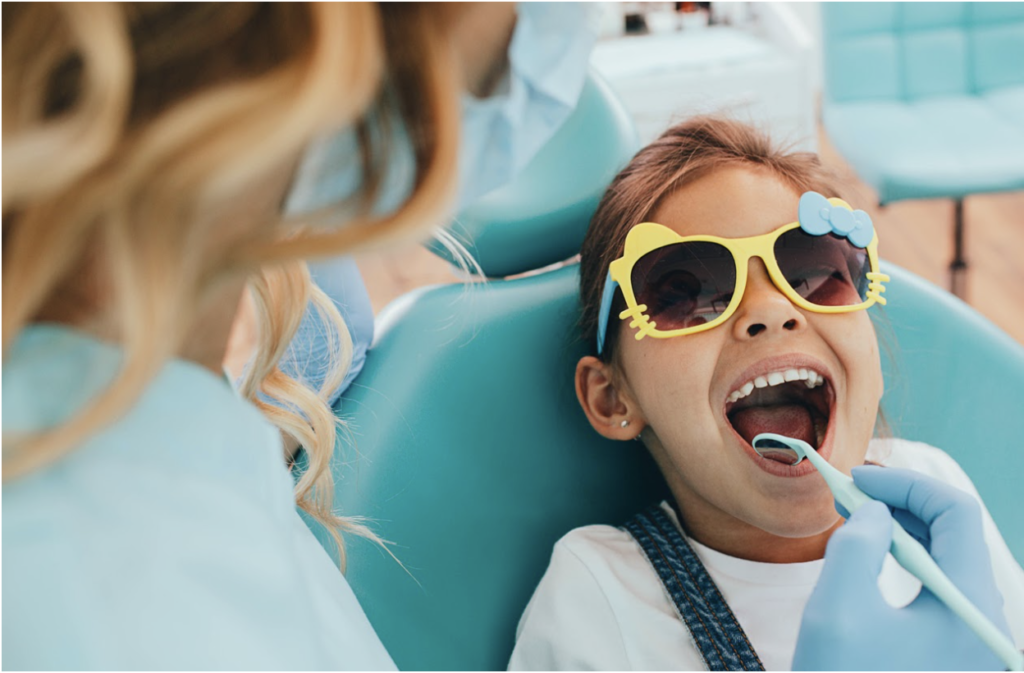
Regular professional dental cleanings are an essential part of any good oral hygiene routine, so contact our West Lebanon pediatric dental team to schedule your child’s next appointment today.

Upper Valley Pediatric Dentistry
Phone: 603-790-8130
Url: https://uvpediatricdentistry.com/
30 Airport Rd, Suite 7
West Lebanon, NH 03784

West Lebanon Children’s Dentist | When Should My Child Get Braces?

Pediatric dentist Hanover

Braces can help create a straight, healthy smile that lasts a lifetime. Ideally, any corrections to the bite, jaw, or mouth structure should be performed during adolescence while the mouth is still forming. Here’s what you need to know before your child begins treatment with braces.

Why Get Braces?

Braces are used to correct improper bites. If you child has an overbite or underbite, braces may be recommended along with another orthodontic appliance to shift the jaw. Additionally, braces are used to correct gaps between teeth as well as teeth that are growing in a crooked position.

The Importance of Starting Early

Braces are more effective in younger patients because the jaw structure is still malleable. According to the American Dental Association, the majority of orthodontic treatment cases typically begin between the ages of 8 and 14. Your child’s particular course of treatment is going to be dependent on a number of factors including mouth structure and the progress of erupting adult teeth. 

Braces Can Improve Your Child’s Life

It may be difficult for your child to imagine an extended period of time without being able to eat sticky, gummy foods or chew bubblegum, however there are numerous benefits to your child’s overall health and well-being that can be achieved with braces. By straightening teeth and closing gaps, your child’s gum health will be improved. Braces can prevent dental complications later in life such as the need for more advanced corrective procedures. Your child’s confidence will also be boosted once they see the results of a straight, beautiful smile.

We invite you and your child to discuss the benefits of having braces with our team. During your appointment, we will provide a complete examination and make a recommendation for a treatment plan that will work best for your child. 

To schedule your child’s next visit to our office, please contact our friendly team.

Upper Valley Pediatric Dentistry
Phone: 603-790-8130
Url: https://uvpediatricdentistry.com/
30 Airport Rd, Suite 7
West Lebanon, NH 03784

Kids Dentist Near Me | 7 Things to Do with Your Child Before Age 7

Pediatric dentist Hanover

As you have likely come to realize, children grow up quickly. Make sure you are savoring each moment you have with your child. Here are seven things we suggest doing with your child before they reach age 7.

1. Make an Artistic Masterpiece

Art projects are always a fun activity. Create art together. Do a finger painting, or draw and color together. Your child’s art masterpieces will be a lasting memory of the time you shared together.

2. Experience Snow

Do you live in a cold climate where it snows in the winter? Embrace the snow and go sledding or build a snowman. If you live where it is warm, make sure your child experiences the magic of a fresh winter snow before they grow up. 

3. Establish Traditions

Create fun traditions that will transcend time. Your child might be too young to remember one event, but a yearly occurrence is sure to provide for a fun memory when your child grows up. Celebrate half-birthdays or start new traditions with a surprise on Valentine’s Day or St. Patrick’s Day. Think small. It’s often life’s little moments that are cherished most.

4. Read Together Each Day

Reading with your child each night is a great way to bond together over a fun story. Reading will also help your child learn and improve their reading skills, not to mention engage their ever-active imaginations. 

5. Teach Your Child About Honesty

Childhood provides an important time for instilling good habits and a sense of morality in our children. One of the most important lessons you can teach your child is to always be honest.

6. Watch the Clouds

When the weather turns nice, enjoy a lazy afternoon outside looking up at the sky. What does your child see in the clouds? Encourage their imagination.

7. Bring Your Child in for an Orthodontic Evaluation

It is important for your child to have an orthodontic evaluation by the time they reach age 7. By this time, most children will begin to grow their molars and incisors. The jaw is also still at an age where it can be formed and shaped.

As a parent, you can provide your child with a smile that will last through the years. Embrace each moment you share together, and the smiles that go with them. 

If you have any questions about orthodontic treatment, or would like to schedule your next visit to our office, please contact Upper Valley Pediatric Dentistry.

Upper Valley Pediatric Dentistry
Phone: 603-790-8130
Url: https://uvpediatricdentistry.com/
30 Airport Rd, Suite 7
West Lebanon, NH 03784

Children’s Dentist Fairlee | Baby Teeth – Should My Child’s Teeth Be Removed?

Children dentist Hanover

Making sure your child’s mouth develops properly is important. Part of a growing mouth will mean your child’s baby teeth will come out. For many kids, baby teeth loosen and fall out on their own, but every child is different. When you bring your child in for an orthodontic evaluation, we take into consideration your child’s baby teeth. Here are some things to remember about your child’s teeth.

Is My Child on Track?

Sometimes we see parents in our West Lebanon dental office who are concerned that their child’s baby teeth have not fallen out. Each child’s mouth is going to be different. Typically, between the ages of 6 and 8, your child will lose their first teeth. This usually continues through ages 10 to 13 when the last of their baby teeth come out. Many kids experience a break between ages 8 and 10, so don’t be alarmed if your child hasn’t lost any teeth for a while.

What This Means for Orthodontic Treatment

We start any examination with a basic inventory of your child’s teeth. We look at how many they have lost and what teeth still must come in. Your child might lose teeth at a slower pace, and this usually is not cause for any concern. However, as kids reach age 12 and beyond we might consider removing baby teeth when planning orthodontic treatment. If your child is getting their second molars and has yet to lose some of their baby teeth, we likely will consider removal.

Why They Need to be Removed

Crowding is an issue when a permanent tooth begins to grow next to a baby tooth. We usually recommend removal in this instance, but it is important to note that this does not solve the issue of crowding. Usually expansion is a solution for crowding.

In our West Lebanon dental office, we use x-rays and scans to track your child’s mouth. These are a valuable resource in helping figure out the best time to have teeth removed. We can see what is coming in and decide to remove a baby tooth if it will cause complications to the new permanent tooth.

Why They Shouldn’t be Removed

Sometimes, the best course of action is to wait it out. Your child’s baby teeth have an important function in holding the required space needed for permanent teeth to come in. With missing teeth, our West Lebanon dentist will decide if the space between needs to be closed. Keeping teeth in place is also good for keeping your gums healthy.

Our doctor will decide if removal is needed based on your child’s teeth. Your child should be receiving regular examinations. Their fast-changing mouths need to be looked at frequently to ensure their teeth will grow properly in the future.

For more questions about orthodontics, or to schedule an appointment, please contact Upper Valley Pediatric Dentistry.

Upper Valley Pediatric Dentistry
Phone: 603-790-8130
Url: https://uvpediatricdentistry.com/
30 Airport Rd, Suite 7
West Lebanon, NH 03784

Children’s Dentist Claremont | Healthy Teeth for Sick Kids

Children dentist Hanover

When you are focused on a child with a fever, cough, or vomiting, it can be easy to question getting them out of the sickbed to brush their teeth. However, keeping mouths clean and teeth healthy can be even more important during illness. Here are some useful tips for protecting your child’s oral health when they’re sick.

Brush and floss

Brushing and flossing helps prevent build-up of harmful germs and bacteria in your child’s mouth. This helps keep their immune system focused on fighting the cold or flu virus. If your child’s illness includes vomiting, their teeth are exposed to acids that can weaken teeth. Help them rinse thoroughly and brush their teeth to avoid damage.

Hydrate

When your child is sick, they need plenty of water to stay hydrated, soothe a sore throat, and keep sinuses moist. In addition, dry mouth can occur during illness and increase risk of tooth decay. Drinking water helps combat dry mouth and congestion.

Watch out for sugars

Cough drops and cough syrups can contain high amounts of sugar to improve the medicine flavor. However, this can leave sugary residue on the teeth. Look for sugar-free options when possible and rinse well after any medicine with sugar.

Disinfect dental appliances

If your child has a dental appliance, such as a retainer, athletic mouth guard, or night guard, be sure it is cleaned thoroughly between uses. Contact our office for information on the type of cleanser that is appropriate for your child’s device.

Follow-up

When your child is well again, replace their toothbrush. Even a clean toothbrush may retain some bacteria or germs following use. To help protect your child from reinfection, discard the used toothbrush in favor of a new one.

For more tips on keeping teeth healthy through an illness, contact Upper Valley Pediatric Dentistry to talk to our West Lebanon dentist.

Upper Valley Pediatric Dentistry
Phone: 603-790-8130
Url: https://uvpediatricdentistry.com/
30 Airport Rd, Suite 7
West Lebanon, NH 03784

Pediatric Dentist in West Lebanon | Teeth Stages

kids dentist Hanover

A child’s first tooth growing in can be a bittersweet moment for parents. It can be frustrating when babies become irritable. It can also be exciting because this marks another stage in a child’s life. Understanding the stages of oral development can help you promote optimal oral health for your child.

Birth to 3 Years Old

The primary (baby) teeth that will appear in the first 3 years of your child’s life aid in development. Primary teeth are key for chewing, speaking, and appearance. They also hold space in the jaws for upcoming adult teeth. Even though they fall out, baby teeth are extremely important.

3 to 6 Years Old

By the time your child is 3 years old, they will most likely have all 20 primary teeth. Your child should be brushing their teeth twice a day and flossing daily.

6 to 12 Years Old

Between the ages of 6 to 12 years old, your child will gradually lose all of their primary teeth and their first permanent (adult) teeth will move into place. Permanent teeth affect the position and health of the other adult teeth that will grow in later.

12 to 17 Years Old

After 12 years old, your child will likely have most of their adult teeth. Oral health becomes critical because these are their teeth for life. Avoid excessive sugar which can lead to tooth decay, wear mouth guards while playing sports, and visit us if your child appears to have crooked teeth.

17 to 21 Years Old

The last teeth to appear are wisdom teeth. Often times, we recommend that these teeth be removed to prevent overcrowding which can lead to many oral health problems. This tends to occur between the ages of 17 to 30.

Teeth are constantly changing throughout childhood. How you take care of your child’s teeth now, can impact their oral health in the future.

Call us to schedule your child’s first appointment today at Upper Valley Pediatric Dentistry.

Upper Valley Pediatric Dentistry
Phone: 603-790-8130
Url: https://uvpediatricdentistry.com/
30 Airport Rd, Suite 7
West Lebanon, NH 03784

West Lebanon Pediatric Dentist | Pacifiers and Teeth Development

Kids dentist Hanover

One of the best ways to calm fussy babies is by giving them a pacifier. However, as babies grow this can be a difficult habit to break. The use of pacifiers can cause improper mouth development which leads to abnormal tooth growth and additional complications later in life. Here’s what you need to know about the impact pacifiers have on your baby’s smile.

Negative Effects of Pacifiers

Physical development is crucial for children’s overall health in the first few years of their life. What you do now can affect them for their entire life. Pacifiers can influence the shape and alignment of your child’s teeth and jaw. It can move the front teeth forward and you may notice your child developing crooked teeth or bite problems. The front teeth may also not meet when their mouth is closed and there can be changes in the shape of the roof of their mouth.

Positive Effects of Pacifiers

While they may contribute to oral health complications, pacifiers do offer several benefits for parents and children. According to the American Academy of Pediatrics (AAP) babies up to one year of age who are offered a pacifier at night have a reduced risk of sudden infant death syndrome (SIDS).

What You Should Do

Since pacifiers can be beneficial for other health reasons, you should speak with us at Upper Valley Pediatric Dentistry about how to wean your baby off of pacifiers. We also recommend that you visit our office for an examination as soon as your child’s first tooth develops.  

Breaking the habit of pacifier use can be difficult, but there are various ways you can wean your child off a pacifier. By following our tips and recommendations, your child can experience the calming effect of pacifiers without developing pacifier teeth.

Call and schedule your child’s next appointment with our West Lebanon pediatric dentist today.   

Upper Valley Pediatric Dentistry
Phone: 603-790-8130
Url: https://uvpediatricdentistry.com/
30 Airport Rd, Suite 7
West Lebanon, NH 03784

West Lebanon, NH Pediatric Dentist | Sports Drinks and Energy Drinks

Pediatric Dentist West Lebanon

Athletes often drink sports drinks during exercise, so it can be easy to believe that these drinks provide important nutrients to help keep you healthy and active. Young adults frequently consume energy drinks to help them stay awake and active for school, work, or play. However, both sports drinks and energy drinks can have profoundly negative impacts on your teeth and your health.

With so many different beverages on the market, it can be difficult to know what classifies a one as a sports drink or energy drink.

Sports drinks, like Gatorade and similar products, were originally created for high-performing athletes. They provide sugar for quick energy and sodium and electrolytes to help stave off dehydration that can occur with intense physical activity. This can be highly useful in the short term, but do not provide any significant health benefit outside this very narrow window of intended use. Even highly active adults are better served by drinking water instead of sugary, acidic sports drinks.

Energy drinks are beverages which generally contain higher levels of caffeine than other sodas. Popular brands such as Monster, Red Bull, and Rockstar fall into this category. Energy drinks can lead to increased heart rate and stress on the nervous system. This makes them potentially dangerous in combination with exercise, particularly for those with heart conditions. In addition to the added sugars and acids they contain, Caffeine is also a natural diuretic, so can lead to dehydration, dry mouth, and other complications

The danger to both children and adults in sports drinks and energy drinks comes not only from the sugar content but also from the acidity. These types of drinks contain a significant amount of acid that they begin destroying teeth in as little as five days. Energy and sports drinks can damage tooth enamel, increasing the risk of cavities and tooth decay. These drinks erode or thin out the enamel of the teeth, leaving them more susceptible to decay and sensitivity. Athletes drink these beverages to remain hydrated and sip them frequently during exercise. This increases the time that teeth are exposed to the acidity and high sugar content of sports drinks, leaving them vulnerable to decay.

More than one third of adolescents, or children between grades 6 and 12, drink a sports drink each week. As a comparison, nearly 15% of children in the same age group drink at least one energy drink each week. Considering their widespread and growing consumption, it is important to take notice on the negative effects these drinks can have on teeth.

While sports drinks and energy drinks can be an alternative to water, there are ways to promote great oral health. The best way to promote oral health is to keep yourself hydrated with water to prevent the negative effects that sports and energy drinks bring. If you feel that you must use sports drinks, rinse your mouth with water afterwards and avoid brushing your teeth right after you have consumed a sports drink. Also, read the ingredient labels before you consume drinks. Avoid high amounts of acid and sugar, especially if you already have teeth problems such as sensitivity or frequent cavities, as sugar and acid can make these issues worse.

Exercising is great for your body and your mouth, but sports and energy drinks are not a necessary part of well-being. There are many alternatives, it’s just a matter of finding what works best for you. When it comes to energy drinks, it is best to avoid or limit your consumption of them all together. Limiting your exposure to sports and energy drinks is one step you can take to improve your oral health. Talk to us about further preventative care for your oral health.

For more helpful tips about keeping your teeth healthy, contact our office.